Enjoying local food on climbing holidays
On a climbing holiday, food plays a bigger role than many climbers expect. It’s not only about calories and recovery, but also about routine, comfort, and enjoying the destination outside the climbing sectors. At ClimbAndRelax, we see food as an essential part of climbing travel — something that supports performance while making the experience more enjoyable and balanced.
The destinations we propose combine quality climbing with simple, accessible local food that fits naturally into a climbing lifestyle.
Eating well while climbing: practical and local
Climbing days are often long, physically demanding, and influenced by weather and conditions. Eating local food makes it easier to adapt. Local cuisine is usually based on seasonal ingredients, simple preparation, and meals that work well before or after climbing.
Instead of searching for specialized sports food, climbers can rely on local markets, bakeries, and small restaurants. This keeps meals uncomplicated, affordable, and well adapted to the rhythm of a climbingholiday.
Catalonia (Spain): simple meals after long climbing days
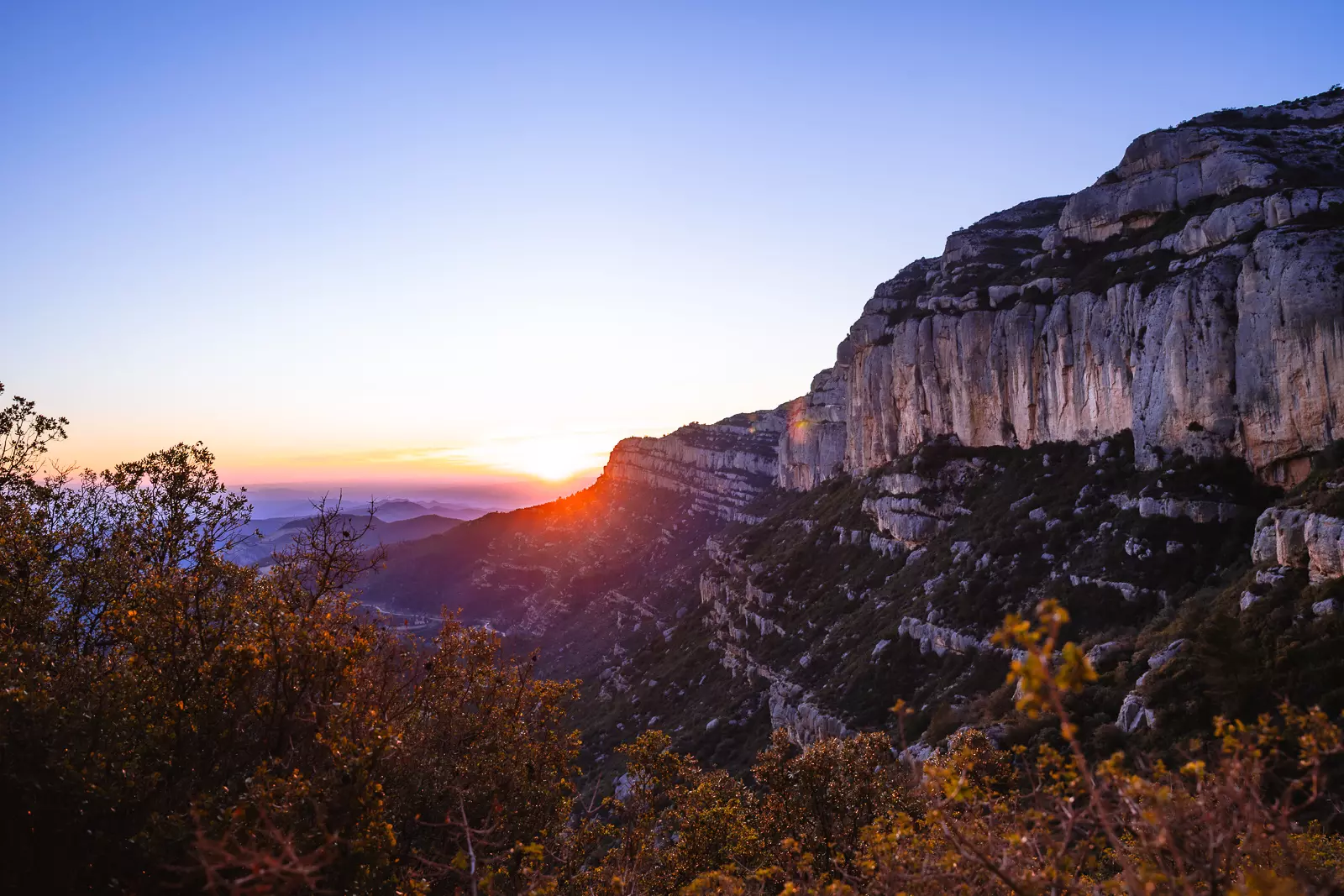
In Catalonia, climbing areas are often close to villages where eating out is part of everyday life. After climbing, it’s easy to find straightforward meals based on fresh ingredients: grilled vegetables, fish, meat, bread, olive oil, and local cheeses.
Tapas-style dining works particularly well for climbing trips. Meals can be shared, adjusted to appetite, and enjoyed without long waiting times. This flexibility is ideal after a full day at the crag, when recovery and rest matter more than formal dining.
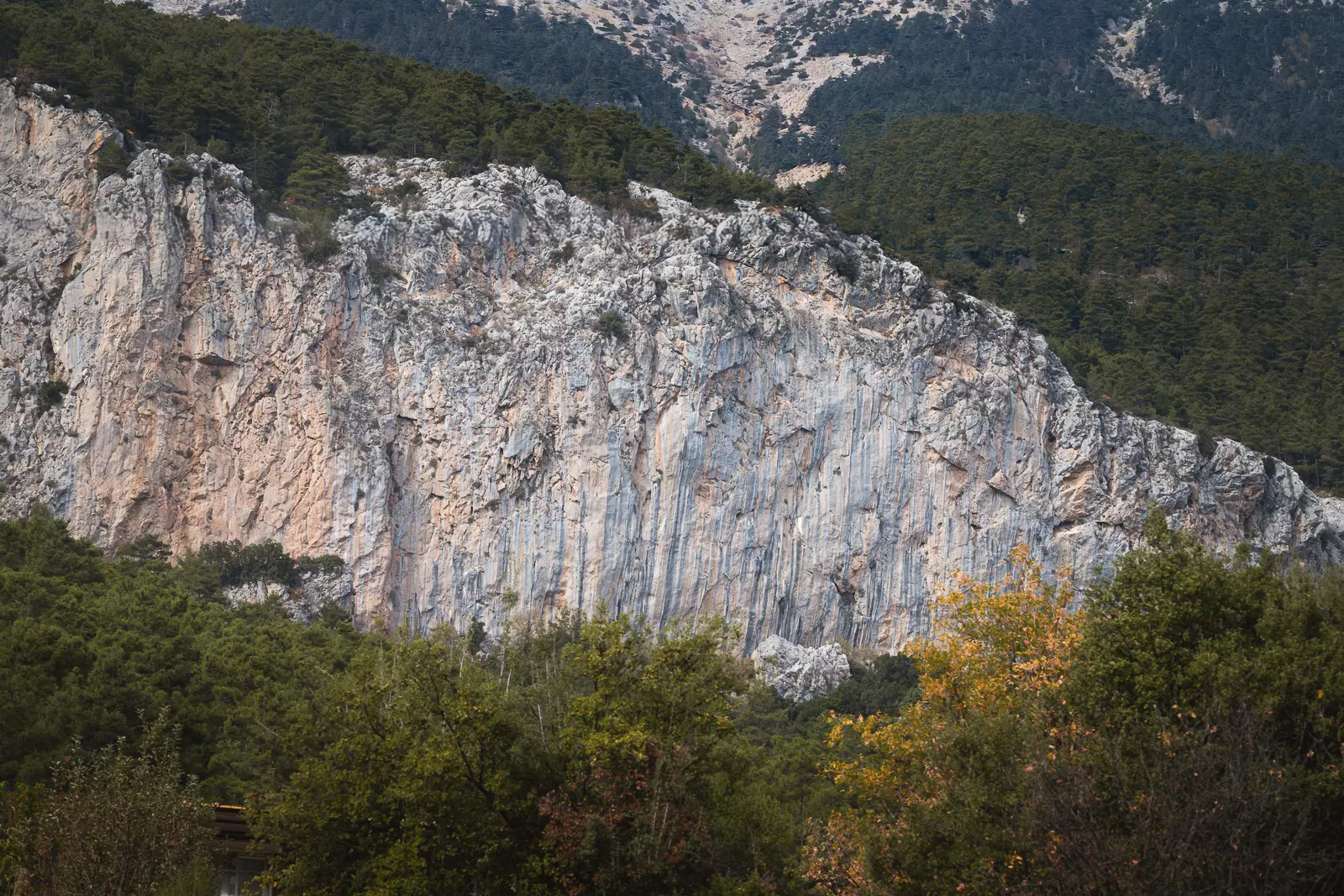
Greece: shared plates and slow evenings
Greek food naturally fits climbing holidays. Meals are usually built around shared dishes, which works well for groups and encourages relaxed evenings without overplanning.
After climbing, eating in a taverna is simple and efficient: grilled meat or fish, salads, vegetables, bread, and yogurt-based dishes. Portions are generous, ingredients are fresh, and meals are easy to digest. This makes Greece a practical destination for climbers who want to eat well without complicating their schedule.
Turkey: variety, availability, and recovery-focused meals
In Turkey, food is available at all times of the day, which is ideal for flexible climbing schedules. Bakeries, small restaurants, and markets offer filling meals that suit both early starts and late finishes.
Turkish cuisine provides a good balance of carbohydrates, protein, and vegetables — helpful for recovery during multi-day climbing trips. Meals are generally quick to order and affordable, making it easy to eatwell without turning food into a logistical issue.
Why food matters on climbing holidays
Good food directly affects how a climbing trip feels day after day:
- Proper meals support recovery and reduce fatigue
- Simple local food saves time and planning
- Eating together creates a natural daily routine
- Rest days become easier to enjoy
By relying on local food rather than over-optimizing nutrition, climbers often feel more relaxed and consistent throughout their trip.